Carrying several kilos on your back for kilometers eventually takes its toll on anyone. As a physiotherapist and pilgrim, I know firsthand that neck pain and shoulder strain are two of the most common ailments when walking the Camino. Trapezius muscle strain from the backpack It doesn’t appear for no reason: it is the logical consequence of subjecting the upper back to continuous effort for which we are not prepared.
In this article, I’ll explain in simple terms why this happens, how to detect overloads in time, and what you can do to relieve tension and arrive at Plaza del Obradoiro in the best possible shape..
Trapezius muscle strain caused by backpack: how to relieve back tension
How back contractures occur due to backpacks
To begin, it is important to explain how trapezius muscle contracture occurs due to carrying a backpack (something I explain to all my patients)
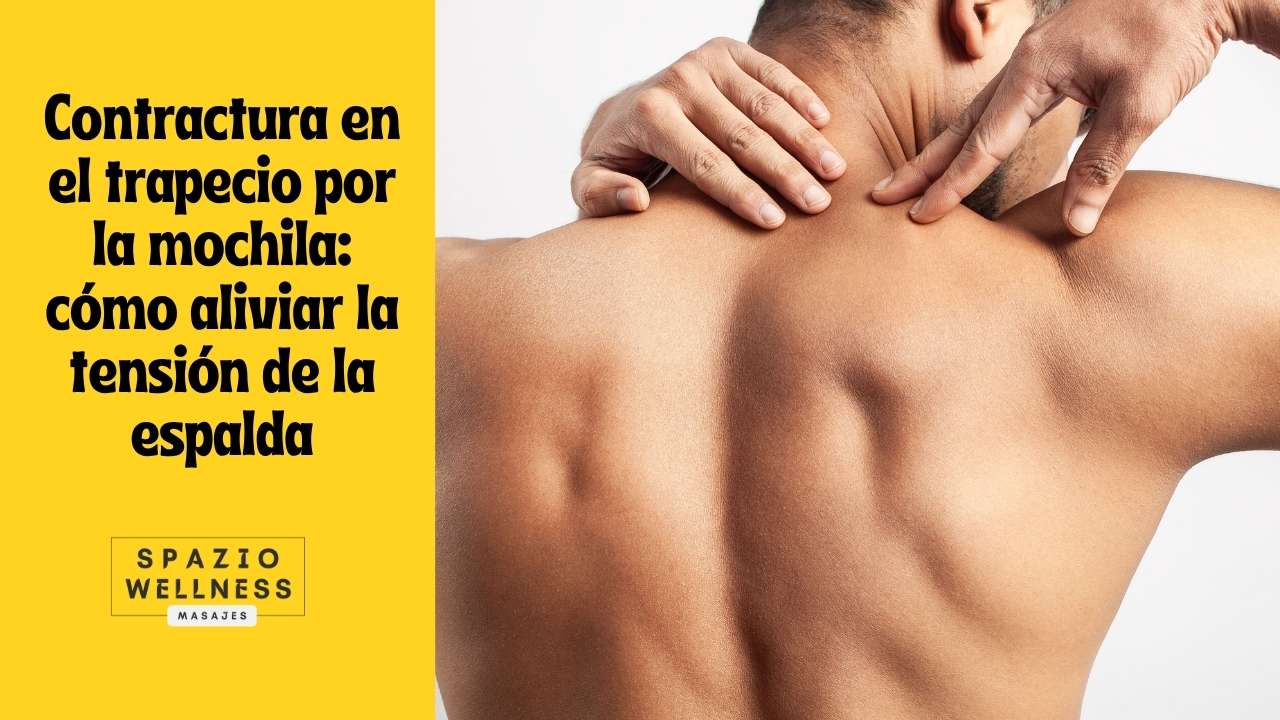
The trapezius is a large muscle that runs from the base of the neck to the mid-back and extends toward the shoulders. Its function is to support the head, raise the shoulders, and maintain an upright posture.
When you put on your backpack, the weight pulls you backward. To avoid falling, you almost involuntarily lean your head and shoulders forward. This causes three problems:
- Muscles working non-stop: Your shoulders have to exert constant upward force for 6 to 8 hours just to keep the suspenders from pulling you backward. This continuous effort exhausts the muscle and leaves it stiff.
- Less blood flow: The direct pressure of the straps on the shoulders constricts the blood vessels. With less blood and oxygen reaching the area, the muscle fatigues much faster and accumulates toxins.
- Bad posture chained together: By carrying the shoulders forward, the chest shortens and the upper back remains stretched and under permanent tension.
What does a trapezius muscle strain feel like?
When a muscle spends hours tense and with little blood flow, small areas of high tension form: these are contractures (which, in some cases, generate trigger points).
These muscle contractions feel like a small, hard lump or pea to the touch. When pressed, they cause pain in the area of pressure, and if the pain shifts, it’s a trigger point. In the case of the trapezius muscle, it’s very common for the pain to travel up one side of the neck, around the ear, and end behind the eyes or in the temple, causing headaches.
If the tension runs down to your waist or you notice sharp pains when walking, it’s likely that your entire spine is suffering from the weight..
Tips to avoid back pain during the stage
Preventing this overload before it becomes a contracture is quite simple if you follow these steps:
1. Adjust the backpack properly.
The most common mistake is wearing your backpack too low. The load should be close to your back. The ultimate trick is to fasten your hip belt properly: your legs and pelvis should support 80% of the weight, leaving only the remaining 20% for your shoulders. In this article, we explain how. What to pack in your backpack for the Camino de Santiago.
2. Do a little back workout before going out
A good one physical preparation of the pilgrim It’s not just about walking. Doing simple back strengthening exercises a few weeks beforehand helps the muscles withstand hours of exertion much better.
3. Consider sending the backpack
If you already have neck problems, hernias, or frequent muscle tension, don’t take any chances. Using a luggage transfer service between stages doesn’t make you “less of a pilgrim” and it takes care of your health. You have all the information in our post about it. Backpack transport on the Camino de Santiago.
4. Take breaks to move around
Every two hours, take off your backpack for a few minutes. Gently roll your shoulders and move your head from side to side. This helps restore normal blood flow to the compressed area.
“A practical tip: During breaks, don’t sit looking at your phone with your head tilted down. Let your neck rest in a neutral, straight position.”
How to relieve tension in the trapezius muscle upon arrival at the hostel
When you finish your workday and take off your shoes, dedicate ten minutes to taking care of your back:
- Apply heat: Unlike a sprain (where ice is applied), muscle contractions respond very well to heat. A warm shower on the neck or an electric blanket for 15 minutes helps to dilate blood vessels and loosen the muscle.
- Self-massage with a ball: Place a tennis ball between the wall and the painful area of your back. Apply gentle pressure and move slowly in small circles over the knots.
- Gentle stretching: Standing or sitting with your back straight, gently tilt your head towards one shoulder, using your hand for support, without jerking. Hold the position for 20 or 30 seconds while breathing slowly.
If in addition to back pain you also feel heavy or sore legs, take a look at our tips on about How to relieve leg pain on the Camino .
Massages in Santiago: the best way to take the weight off your shoulders
No matter how much you stretch at the hostel, the fatigue from several days of walking with a pack eventually affects all your muscles. That’s why, when you reach the finish line, your body relaxes and you often experience considerable stiffness in your neck and back.
In Spazio Wellness (formerly Quintana Masajes), we are Specialists in pilgrim massage and muscle relaxation after completing the Camino de Santiago. We analyze where you have accumulated tension and work specifically on the contractures of the trapezius and back to release the tissues, improve circulation and leave you feeling like new.